01
Custom System Design
Every home has a climate signature. We read it.
From load calculations to duct geometry, each system is engineered from first principles — no templates, no overspec, only what the architecture demands.
View capability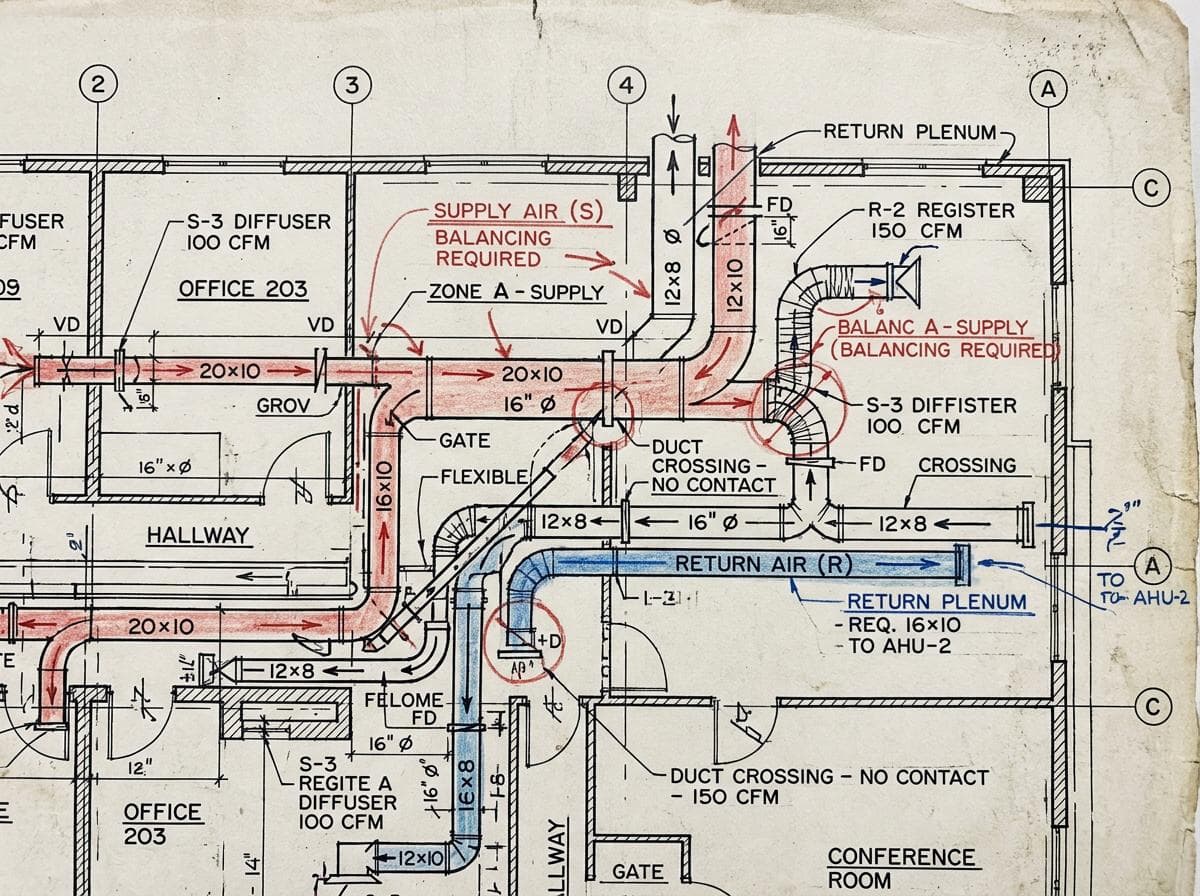
Every home has a climate signature. We read it.
From load calculations to duct geometry, each system is engineered from first principles — no templates, no overspec, only what the architecture demands.
View capabilityThe earth holds a constant temperature. We borrow it.
Closed-loop geothermal harnesses ground-source energy at efficiencies no conventional system can approach — silent, invisible, drawing on a source that does not deplete.
View capability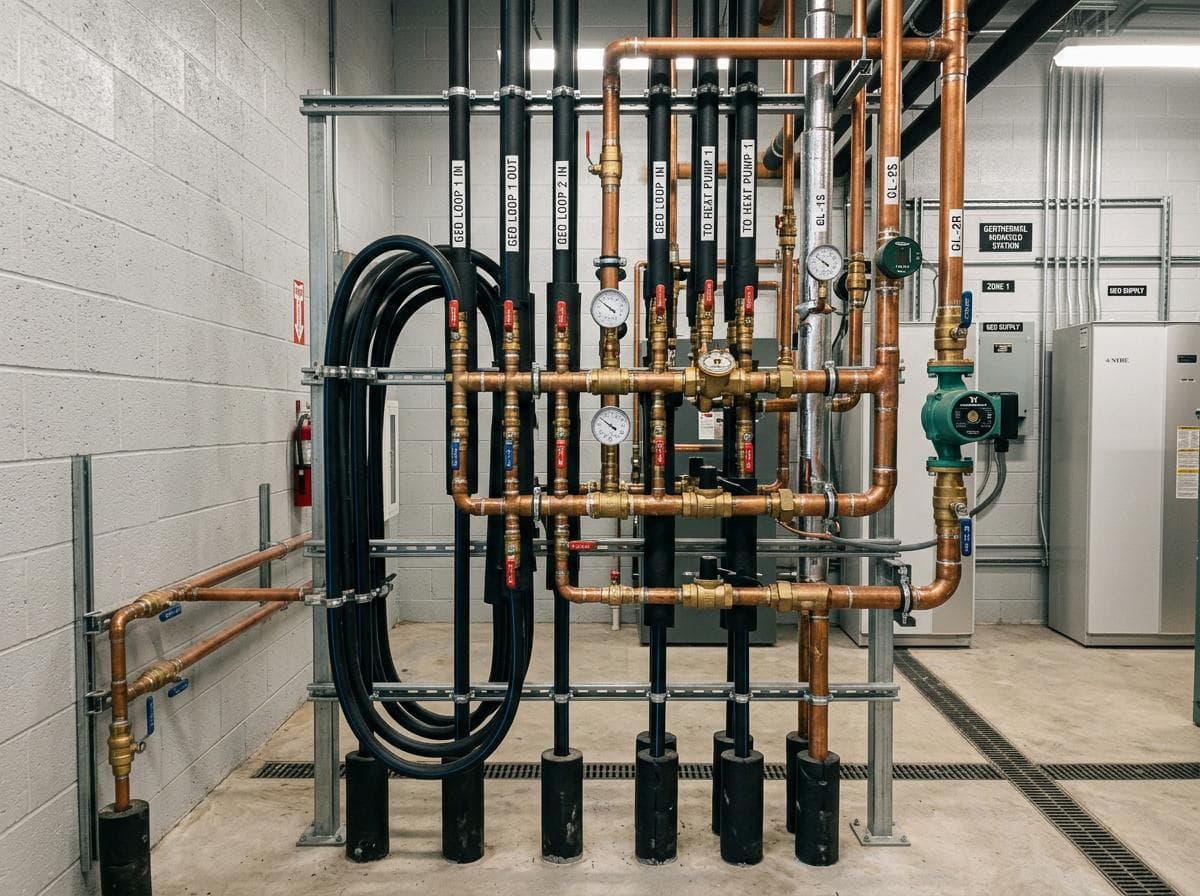
Invisible delivery. Deliberate results.
Small-diameter high-velocity systems thread through walls without sacrificing headroom or millwork. Ductless mini-splits deliver precision zoning where conventional runs are impossible.
View capability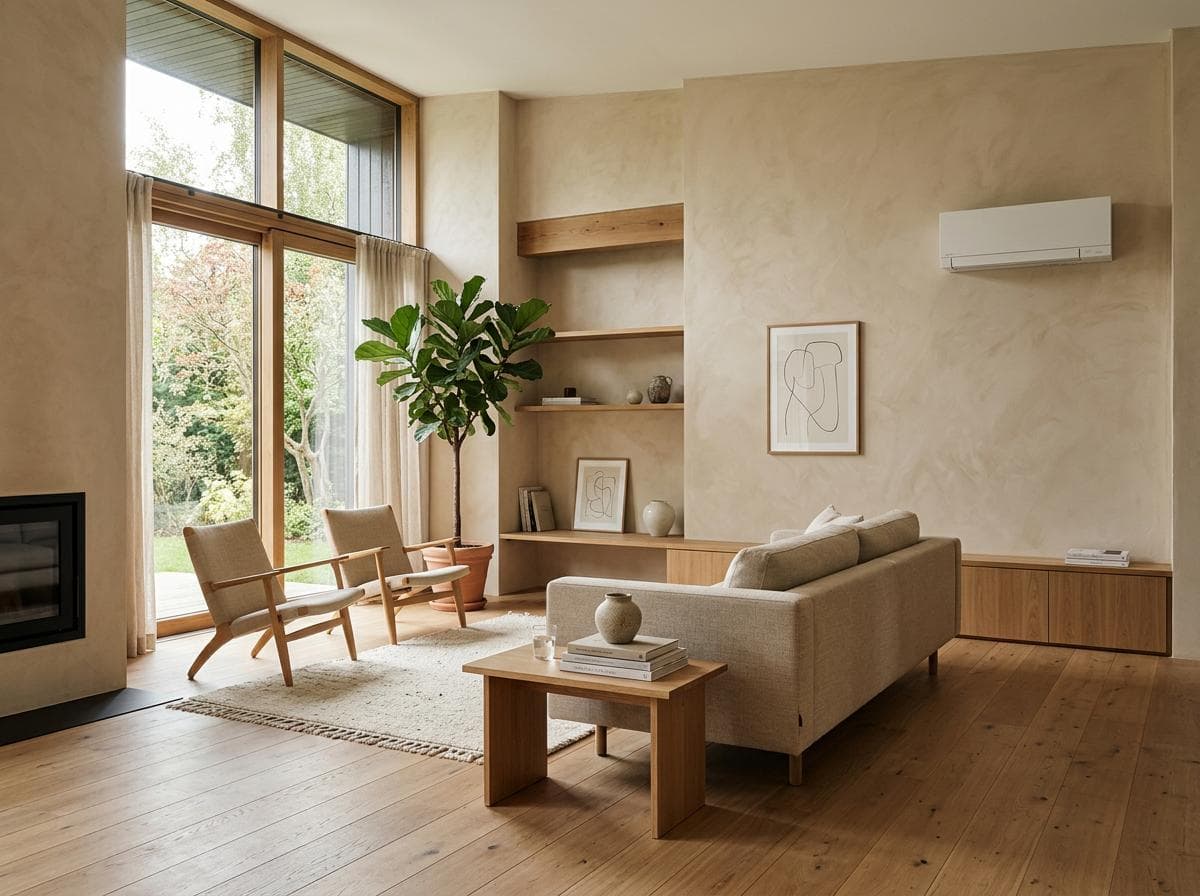
The air you can't see is the air you live in.
HEPA and electrostatic filtration, UVGI germicidal treatment, and energy-recovery ventilation that refreshes without wasting. The best air quality is one you never notice.
View capability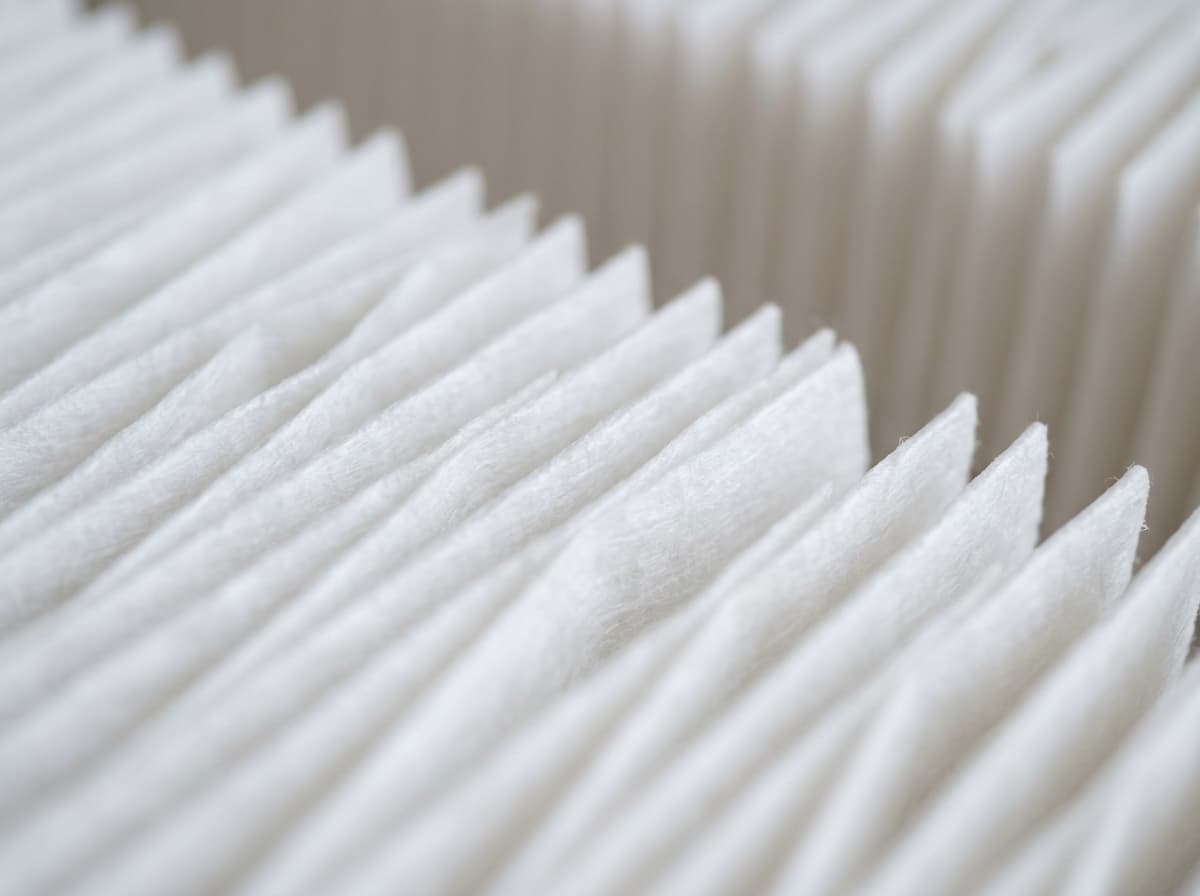
Heat that rises from the floor. Silence that fills the room.
Hydronic radiant delivers warmth through the floor and cooling through chilled beams — no forced air, no duct noise, no dust. The preferred specification of architects who prize silence.
View capability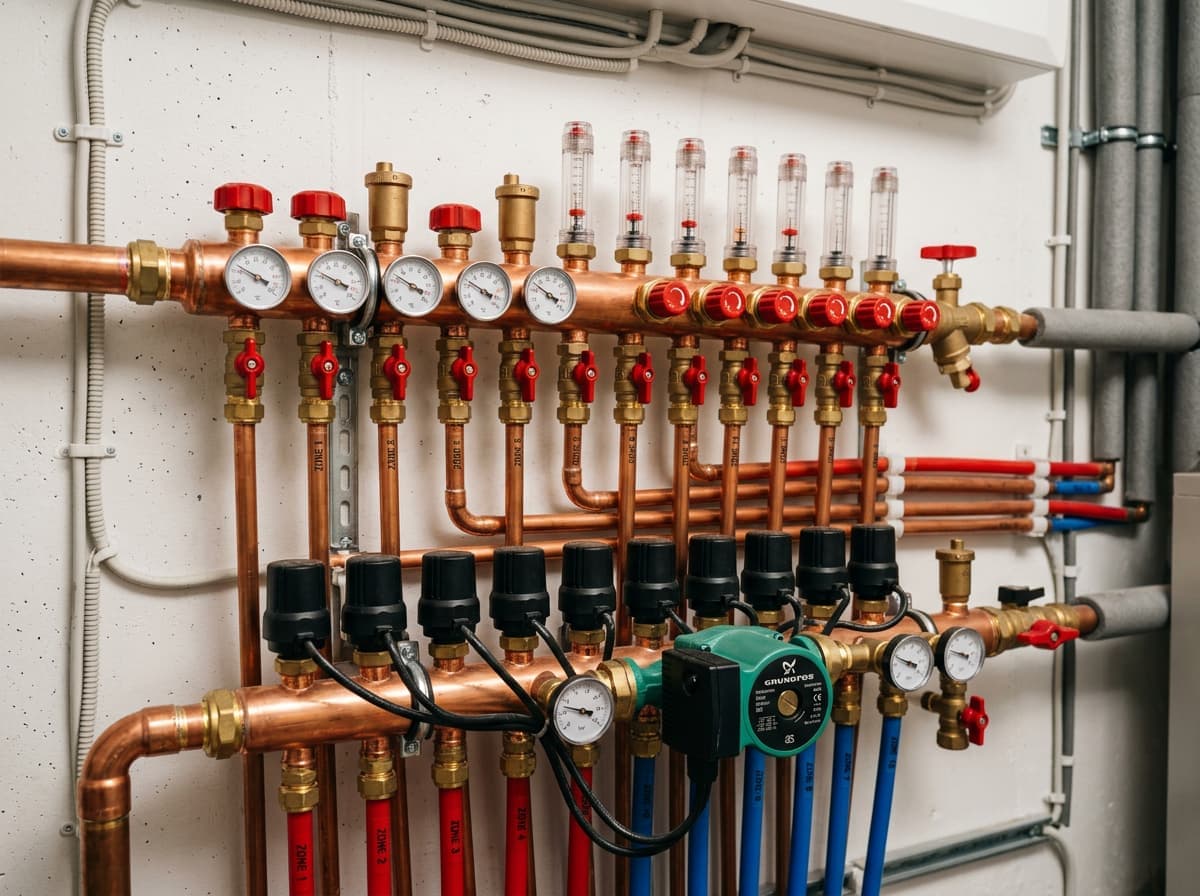
When something demands attention, everything does.
A direct line to your installation engineer — not a dispatch center. Remote monitoring surfaces anomalies before they become failures. Annual commissioning keeps performance exactly as designed.
View capability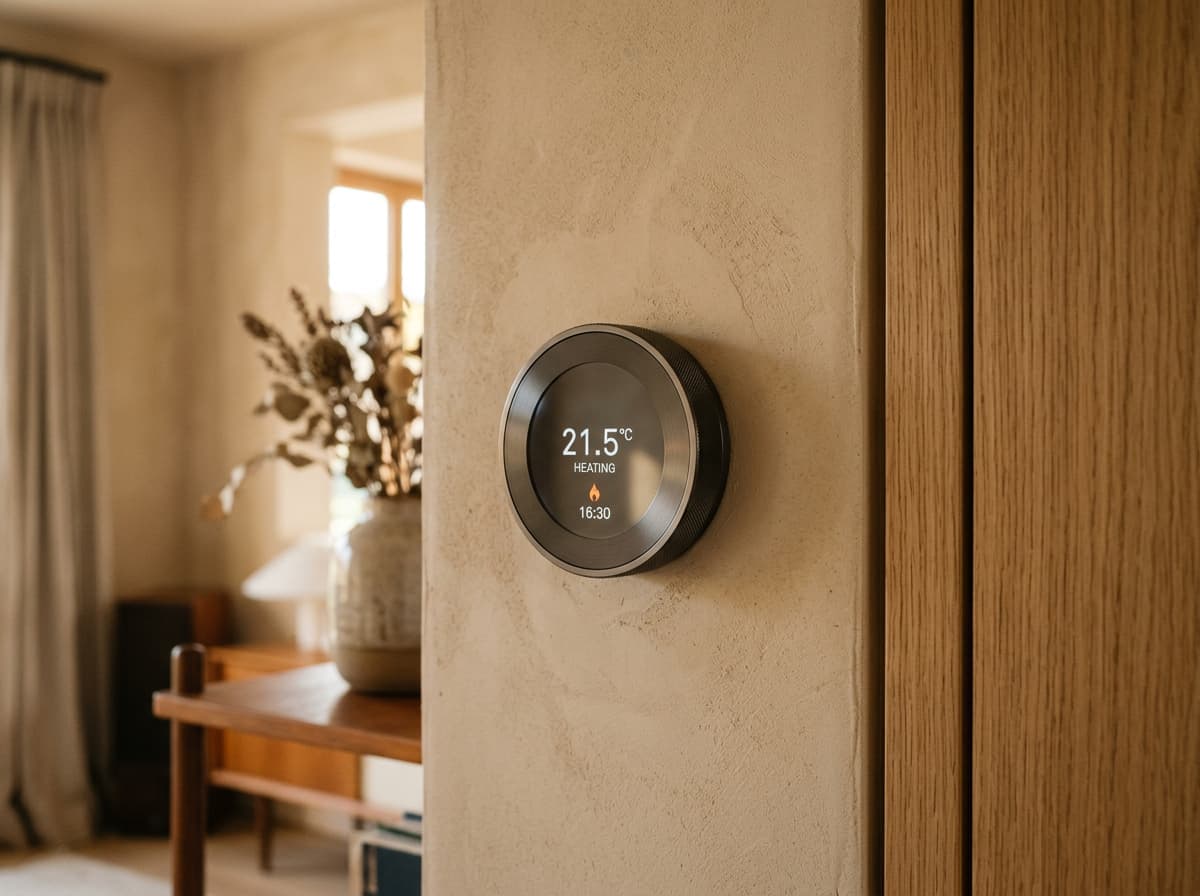
Every system is designed, not selected.
“Before we design anything, we listen — to the house, the schedule, and the way you move through each room.”
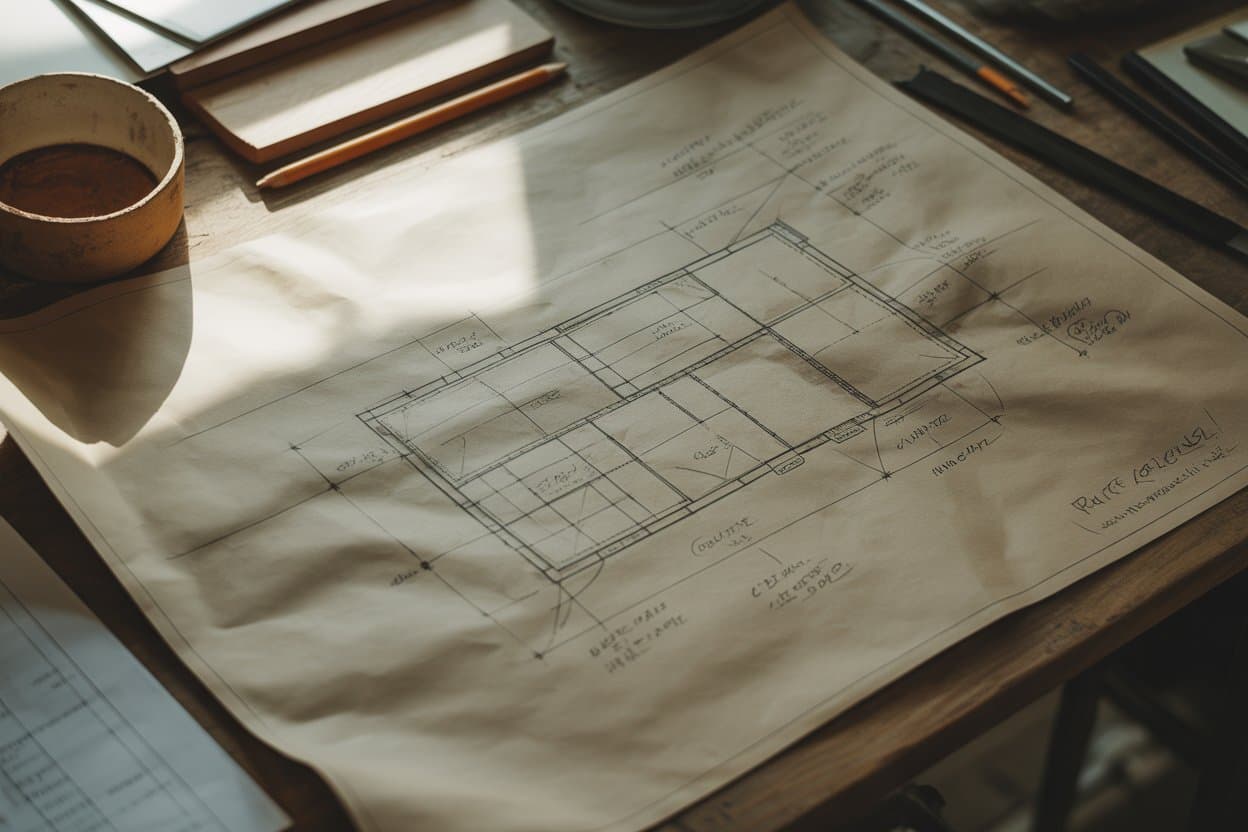
The engagement begins not with specifications but with conversation. We spend time understanding how the home is occupied across seasons — which rooms are always inhabited, which vary, and what tolerance exists for mechanical intrusion, whether acoustic or visual. We ask about the things people rarely think to mention until they are living with a system that missed them.
From this, we develop a written brief that documents your intent alongside the building's own constraints. It becomes the fixed reference for every engineering decision that follows and the measure against which we evaluate the finished installation.
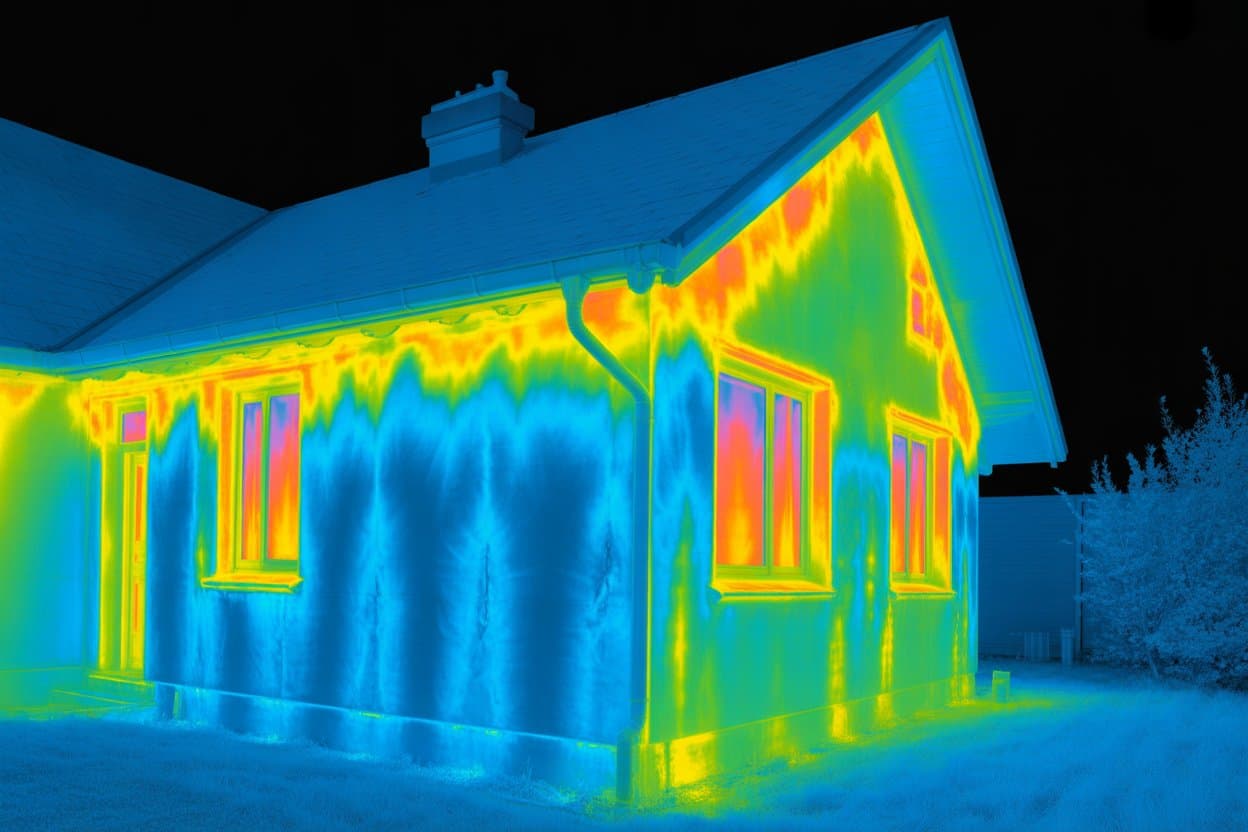
“A home reveals its thermal character only when you have been inside it through different conditions.”
Our engineers perform a full thermal envelope assessment: blower-door infiltration testing, infrared imaging where thermal bridging is suspected, and measured documentation of every room's geometry, fenestration, and solar exposure. We record what the building knows about itself before anyone has drawn a single duct.
We audit the mechanical room — existing equipment, utility service capacities, structural constraints, and access paths for new runs. That information is reconciled against the brief. Site analysis is the single most consequential step; errors here compound through every stage that follows.
“The difference between a good system and the right system is often measured in tenths of a degree.”
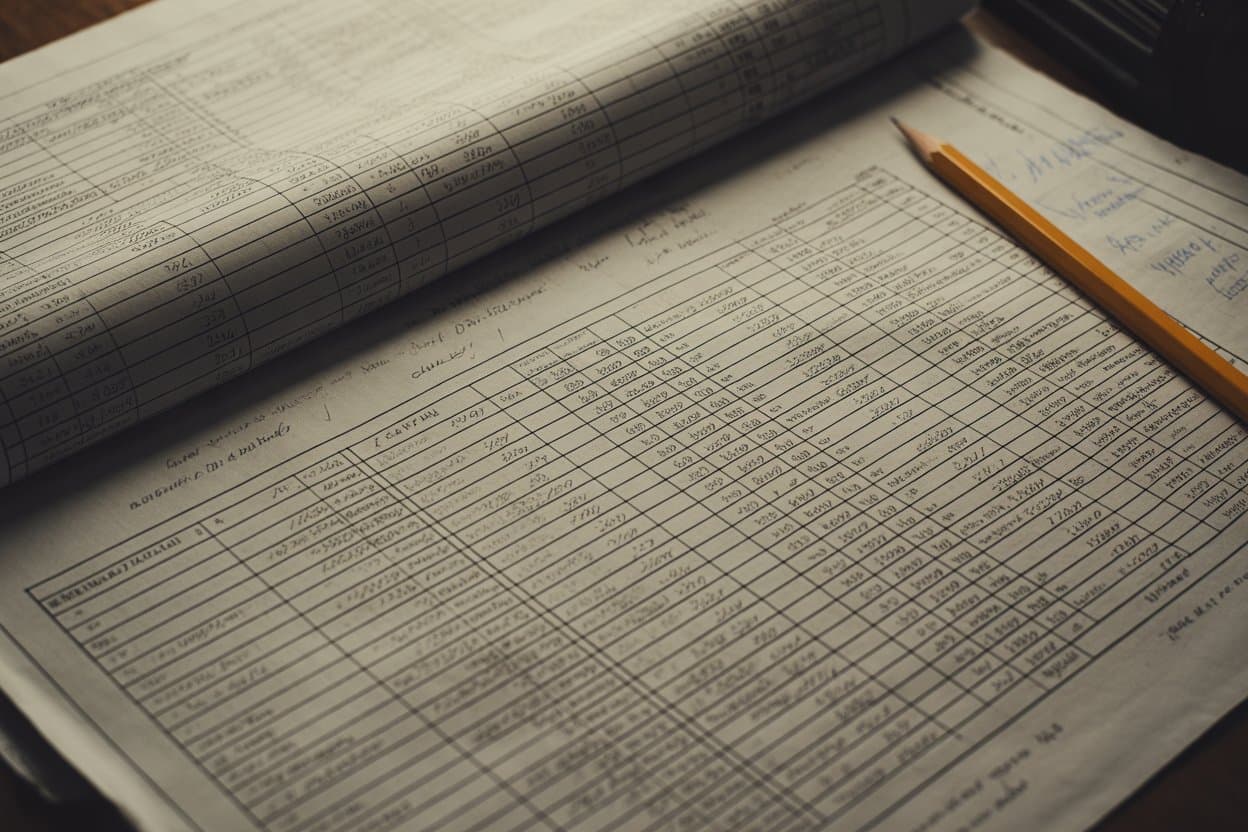
Manual-J and Manual-D calculations are performed in full — room by room, not by rule of thumb. Equipment is selected against actual loads, not approximations. Ductwork is sized for velocity and acoustics simultaneously. Where high-velocity or hydronic systems are specified, we model them in direct coordination with the structural and architectural drawings.
All designs are reviewed with the general contractor and relevant trades before construction begins. No mechanical conflict is left to be discovered in the field. We issue stamped drawings where jurisdictions require them and coordinate permit submissions as part of our standard scope.
“Installation is the craft moment — where the drawing finally becomes the building.”
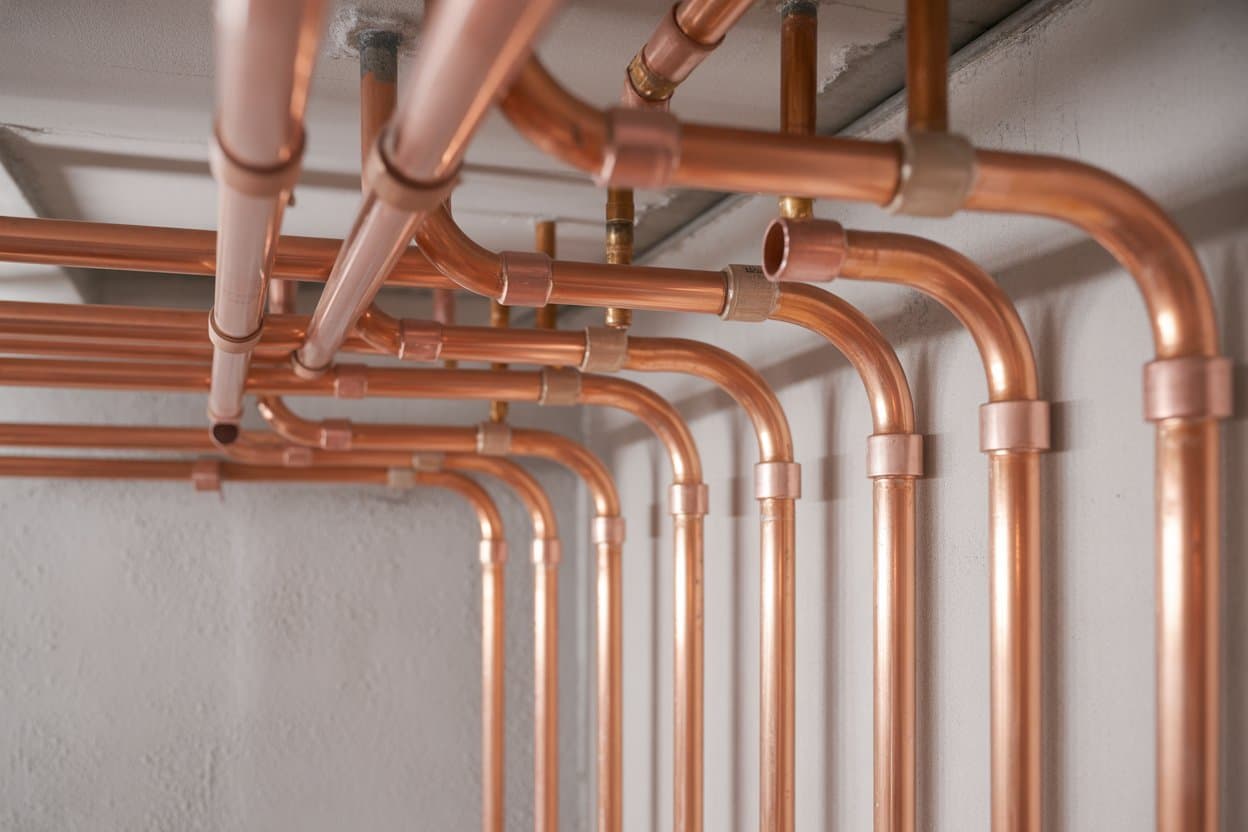
Our installation teams are direct employees, not subcontracted labour. Each lead technician has been briefed on the engineering of the system they are installing. This continuity eliminates the information loss that causes most mechanical failures — the gap between what was designed and what was actually built.
Commissioning begins during installation, not after it. Each zone is tested in sequence as it is completed. Final commissioning is conducted across multiple days with all systems running simultaneously, measured against the engineering targets documented in the original brief.
“A system designed to last deserves oversight designed to match.”
Every installation includes twelve months of priority response service and quarterly filter maintenance. After the first year, clients transition to the Stewardship Program: remote monitoring, annual commissioning, and a direct line to their installation engineer — not a service department, not a call rotation.
Systems that are actively maintained perform better and last significantly longer. We track equipment hours, refrigerant state, and filter differential pressure remotely, reaching out before issues manifest rather than after. Our average client relationship is fourteen years.
“We had three engineers come through this house over five years. Volta was the first who understood that the problem was the building, not the equipment.”— H.K., New Construction, Litchfield County
We take on twelve projects a year. Each one begins the same way — with a conversation about what the building is asking for, not what the catalogue offers. If you are building or renovating with precision in mind, this is where that conversation begins.